CHUANGKAI

a i l a n d

Loading

     
home // Company news// Investigation on the causes and improvement of deformation in precision machining

Investigation on the causes and improvement of deformation in precision machining

blog1
30th June 2025

Investigation on the causes and improvement of deformation in precision machining

Table of Contents

    The precision mechanical processing performance is not only vital to corporate interests but also safety-critical. While generating economic benefits, it significantly reduces workplace accident risks. Therefore, preventing component deformation during manufacturing is paramount. Operators must consider all relevant factors and implement preventive measures to ensure product integrity. To achieve this, analyzing deformation causes in machining processes and developing reliable countermeasures are essential. These efforts will establish a solid foundation for realizing modern enterprise development strategies.

    1. Analysis of the causes of deformation in precision machining
    2. The internal force causes the change of machining accuracy of parts

    In lathe machining, the cohesive force principle is typically applied. By using the lathe’s three-jaw or four-jaw chuck to securely hold workpieces, precision mechanical processing can be performed. To ensure parts remain clamped under force and minimize internal axial stress, the clamping force must exceed the mechanical cutting force. The clamping force increases proportionally with the cutting force and decreases accordingly. This operational approach ensures stable force distribution during machining. However, when the three-jaw or four-jaw chuck is released, the machined parts often deviate significantly from the original design—some exhibit polygonal shapes, others become oval, resulting in substantial dimensional deviations.
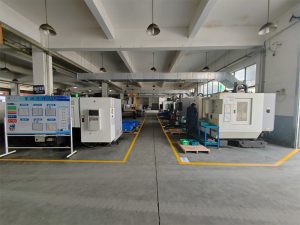
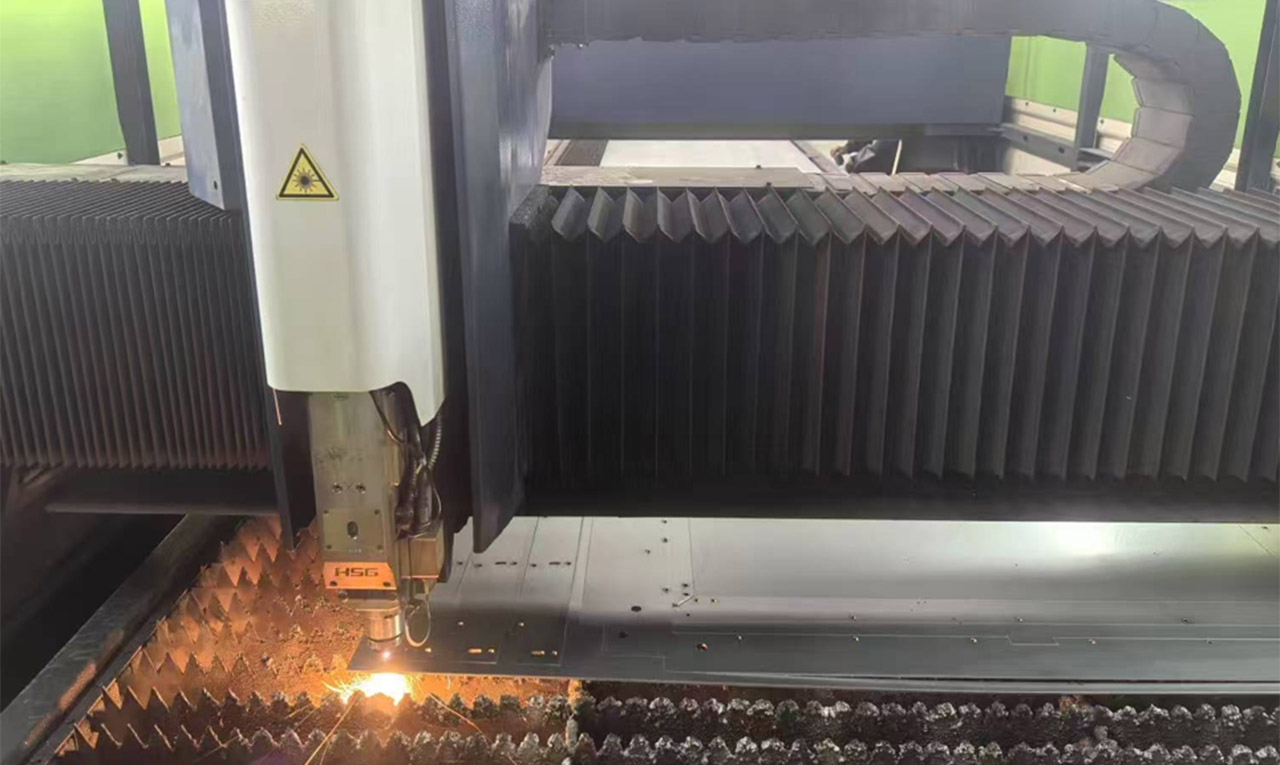
    Machine processing equipment - Vertical machining center

    1. It is easy to produce deformation after heat treatment

    Sheet metal components, characterized by their large aspect ratio, are prone to developing “hat-shaped bending” after heat treatment. This deformation manifests in two primary ways: first, midsection bulging that amplifies surface flatness deviations; second, bending induced by external environmental factors. These deformation issues arise not only from altered internal stresses post-heat treatment but also stem from operators’ insufficient expertise in component structural stability, which significantly increases deformation risks.
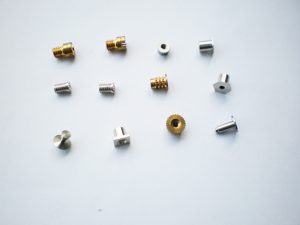
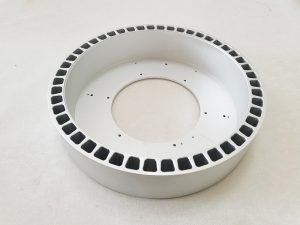
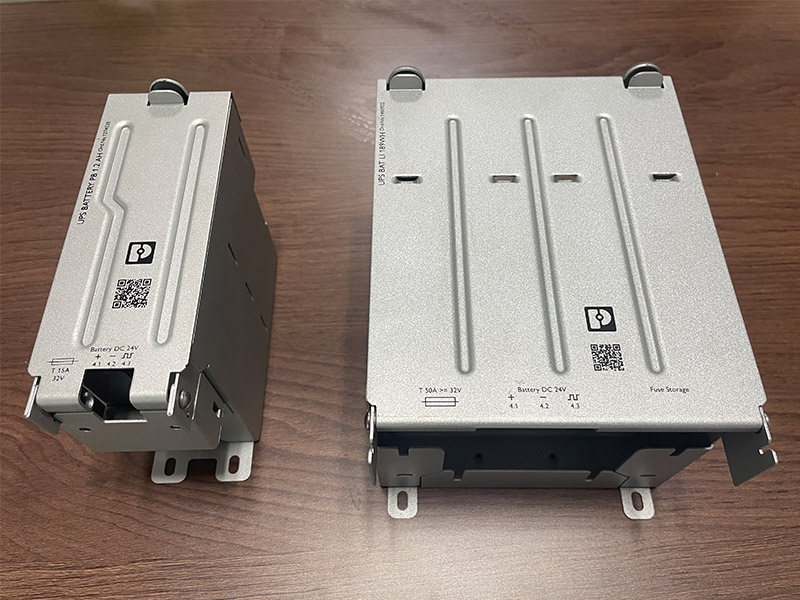
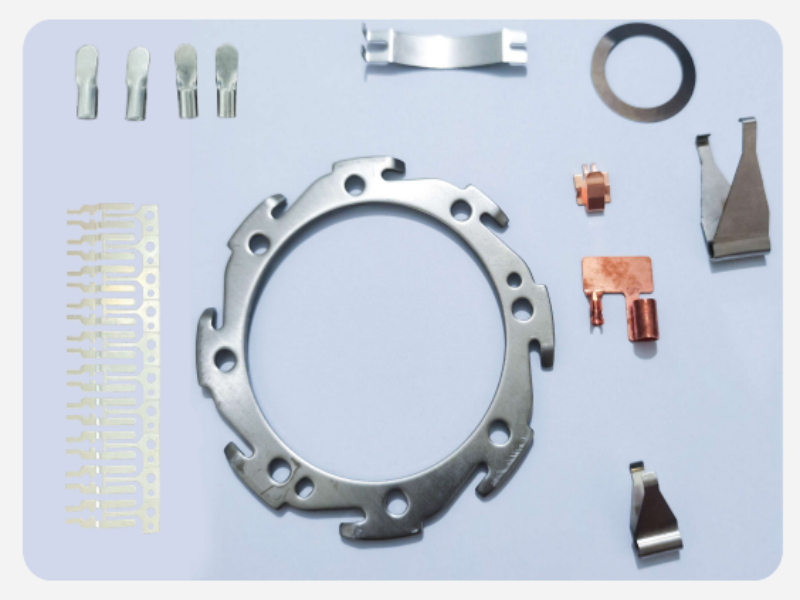
    Machine processing products - Various non-standard riveted parts 2CNC Machining-Medical Products-Petri Dishes

    1. Elastic deformation caused by external force

    There are four primary causes of elastic deformation in mechanical processing. First, components containing internal thin plates require more precise machining techniques. When workers fail to align these components with design drawings during positioning and clamping, elastic deformation often occurs. Second, uneven surfaces on lathes and fixtures create uneven stress distribution during clamping, causing the weaker side to deform under force during cutting. Third, improper positioning during machining reduces component stiffness. Fourth, cutting forces themselves contribute to elastic deformation. These multiple factors collectively demonstrate how external forces significantly impact machining quality.
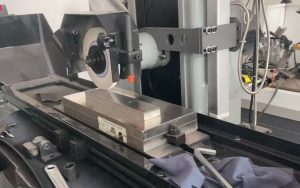
    Machine-processing-equipment-Planar-grinding-machine

    Leave a reply


    _FAQ

    The quality control of our company is mainly managed based on the two major quality management systems, ISO9001 and IATF16949. Through measures such as APQP in the new project stage, establishing a quality control network involving all staff, continuous improvement of processes and strategies, etc., we ensure that product quality is effectively controlled.

    APQP is a component of the IATF16949 quality management system, referring to a systematic process that determines the steps required to ensure that a product meets customer needs through a structured approach. This method is based on cross-functional teams and utilizes analysis tools such as FMEA, MSA, and SPC, emphasizing cross-departmental collaboration to reduce product risks. Its output includes control plans for the prototype, trial production, and production stages. The implementation of APQP involves five phases: plan definition, product design, process design, product confirmation, and feedback for improvement. It adopts concurrent engineering to shorten the development cycle. During the process, a time schedule needs to be formulated, and a PDCA cycle is formed through a continuous feedback mechanism to ensure that each link meets customer requirements and defect prevention is achieved.
    - our products

    related products

    machine manufacturing
    Our services and products cover:
    Agricultural machinery industry: transmission shaft,Bushes,transmission gear,hexagonal axis,pins ETC.
    Nuclear power industry: Cooling water flange,Copper sealing ring,choke plug,ETC.
    Commercial kitchen hotel equipment: gear shaft, transmission shaft,cotter pilotage,ETC.
    electric industry:Silver-plated male and female connecting pins,Copper nuts and screws,stainless steel joint,ETC.
    medical apparatus and instruments: culture dish,Portable ultrasound machine accessories,Blood cell analyzer accessories,Physical therapy equipment accessories ETC.
    aerospace industry:Engine blades, discs, and shafts ETC.
    machine manufacturing
    Our services and products cover:
    Agricultural machinery industry: transmission shaft,Bushes,transmission gear,hexagonal axis,pins ETC.
    Nuclear power industry: Cooling water flange,Copper sealing ring,choke plug,ETC.
    Commercial kitchen hotel equipment: gear shaft, transmission shaft,cotter pilotage,ETC.
    electric industry:Silver-plated male and female connecting pins,Copper nuts and screws,stainless steel joint,ETC.
    medical apparatus and instruments: culture dish,Portable ultrasound machine accessories,Blood cell analyzer accessories,Physical therapy equipment accessories ETC.
    aerospace industry:Engine blades, discs, and shafts ETC.
    Home
    WhatsApp
    Email
    Contacts
    .